Veneers in Wright ACT: A Patient-Friendly Guide
Thinking about changing the look of your teeth? Veneers may be an option for teeth that are chipped, worn or discoloured, or small or irregular in shape. Each veneer is custom-made and planned around your face and neighbouring teeth to change the visible shape, shade and proportions of selected teeth.
For patients considering veneers in Wright, ACT, understanding the options is an important first step. Veneers are a significant dental decision, and a good plan starts with an examination and a conversation about your goals, not a shade or design chosen from a photograph.
This guide explains how veneers work, the differences between common materials, what treatment may involve and which questions to ask before proceeding.
Dental veneers are not suitable for every patient. This article provides general information only and does not replace an examination or personalised advice from a qualified dental practitioner.
What are dental veneers?
A veneer is a thin layer of tooth-coloured material placed over the front surface of a tooth. It changes the part of the tooth visible when a person speaks or smiles while leaving the remainder of the tooth in place.
Veneers may be considered when a patient would like to address one or more cosmetic concerns, such as:
- Chipped or worn-looking front teeth
- Discolouration that may not respond as desired to whitening
- Small spaces between teeth
- Uneven tooth edges or proportions
- Minor shape differences
They are not automatically the right answer for every concern. Whitening, orthodontic treatment, direct bonding or a restorative treatment may sometimes be more appropriate. A dentist should also check for decay, gum problems, bite issues and tooth grinding before recommending cosmetic work.
Porcelain veneers and composite veneers
The two main categories are porcelain veneers and composite resin veneers. Both change the appearance of selected teeth, but they involve different materials, processes and maintenance considerations.
Porcelain veneers
Porcelain veneers are custom-made outside the mouth, usually with the support of a dental laboratory. The dentist plans the desired shape and appearance, prepares the teeth where required and later bonds the completed veneers into place.
Porcelain veneers are made in a dental laboratory, and porcelain is generally more resistant to staining than composite resin. Because the veneers are individually designed, they can be planned to complement the patient’s facial features, neighbouring teeth and smile rather than creating an overly bright or identical appearance.
This option generally requires a greater initial investment than direct composite treatment. In many cases, some enamel must also be altered to create space and provide a suitable surface. That makes it important for patients to understand whether the proposed treatment is reversible and what future maintenance or replacement could involve.
Composite veneers
Composite veneers are created from tooth-coloured resin applied and shaped directly on the teeth. The dentist builds the material in layers, refines the contours and polishes the surface.
Composite treatment may require less tooth alteration in suitable cases and can often be completed more directly than laboratory-made porcelain veneers. It may also have a lower initial cost. However, composite and porcelain behave differently over time. Composite may be more prone to staining, surface wear or chipping and can require periodic polishing or repair.
Neither material is universally better. The choice depends on the condition of the teeth, the number being treated, the desired change, the bite, personal preferences and budget.
Who may be suitable for veneers?
A suitable patient generally needs healthy teeth and gums, realistic expectations and enough sound tooth structure to support the proposed treatment. A dentist will assess the whole mouth rather than looking only at the teeth visible in a smile.
Veneers may not be recommended immediately if there is active tooth decay, inflamed gums or another untreated oral health concern. These issues usually need attention before elective cosmetic treatment is considered.
Clenching and grinding also deserve careful discussion because veneers remain exposed to biting forces. Depending on the assessment, a dentist may suggest managing the underlying habit or using a protective appliance after treatment. Teeth with extensive damage, large existing restorations or structural weakness may require a different approach.
It is equally important to clarify the patient’s goals. A person seeking a small improvement in one tooth may need a very different plan from someone considering a broader change to several teeth.
What happens during the veneer process?
The exact process varies according to the material and individual treatment plan, but it commonly includes the following stages.
1. Consultation and oral health assessment
The first appointment is a chance to explain what feels concerning and what kind of result would feel comfortable. The dentist examines the teeth, gums and bite and may recommend photographs, scans or X-rays where clinically appropriate.
This appointment should include a balanced conversation about benefits, limitations, risks, costs and alternatives. Patients should feel free to ask whether any tooth structure will be removed and what ongoing care may be necessary.
2. Smile planning
Veneers should be designed around the individual rather than copied from another smile. Tooth width, length, shade, edge shape and symmetry can all be considered. The aim may be a noticeable change or a subtle change that friends and family cannot easily identify.
Depending on the case, the dentist may use digital planning, models or a preview to help communicate the proposed result. A preview can be useful, but it remains a planning aid rather than a guarantee of an exact outcome.
3. Tooth preparation and impressions
For porcelain veneers, the dentist may need to remove a controlled amount of enamel based on the agreed plan. Digital scans or impressions are then used to make the custom restorations. Temporary veneers may be used in some cases while the final veneers are being produced.
Composite veneers are generally shaped directly on the teeth, although advance planning is still important. The amount of tooth preparation varies, so patients should not assume that every veneer is a “no-prep” treatment.
4. Placement and review
Before porcelain veneers are bonded, the dentist checks their fit, shape and appearance. Once both patient and clinician are satisfied that it is appropriate to proceed, the teeth are prepared for bonding and the veneers are secured.
The bite and edges are checked, and a review may be recommended. Some temporary sensitivity or gum awareness can occur after dental procedures, but persistent pain, a bite that feels wrong or a loose or damaged veneer should be reported to the dental practice promptly.
How much do veneers cost in Wright, ACT?
The cost of veneers varies, so a personalised written quote is more useful than a broad online estimate. Factors may include:
- Whether porcelain or composite is selected
- The number of teeth being treated
- The complexity of the design and preparation
- Laboratory and material requirements
- Any preliminary oral health treatment
- Whether protective or follow-up care is recommended
Patients comparing prices should check what each quote includes. Consultation, diagnostic records, temporary restorations, laboratory work and follow-up appointments may not be presented in the same way by every provider.
Private health insurance benefits differ between policies, and cosmetic treatment may not be covered. Patients can request the relevant item information and check directly with their insurer before committing to treatment.
Looking after dental veneers
Veneers still depend on the health of the teeth and gums beneath and around them. Daily brushing with a soft toothbrush, cleaning between the teeth and attending recommended dental reviews all remain important.
Patients should avoid using veneered teeth as tools to open packaging or bite hard objects. Anyone who clenches or grinds should follow the protective advice provided by their dentist. Veneers are not considered permanent in the sense that they will never require maintenance; repair or replacement may be needed at some point.
Good care cannot guarantee that a veneer will never chip, stain or come loose, but it can help patients protect both their dental work and natural teeth.
Questions to ask at a veneer consultation
A well-informed decision is more important than making a quick one. Helpful questions include:
- Are the teeth and gums healthy enough for cosmetic treatment?
- Are whitening, bonding or orthodontic treatment reasonable alternatives?
- Why is porcelain or composite being recommended?
- Will natural enamel need to be removed?
- Can the proposed shape and shade be previewed?
- What are the main limitations and risks in this particular case?
- What maintenance may be required?
- What is included in the written quote?
- What happens if a veneer chips or needs repair?
A reputable consultation should leave enough time for questions and should not pressure a patient into immediate treatment.
Frequently asked questions about veneers
Do veneers damage natural teeth?
Some veneer plans involve removing a small amount of enamel, while others may require little or no preparation. Any enamel removal is an important consideration because it cannot simply grow back. A dentist should explain the proposed level of preparation, alternatives and long-term implications before consent.
Do veneers look natural?
They can be designed to resemble natural teeth, but the result depends on case selection, planning, material, colour, shape and clinical execution. Many patients prefer a shade and form that harmonise with their face and surrounding teeth rather than an extremely white or uniform result.
Can veneers fix crooked teeth?
Veneers may disguise certain minor shape or alignment concerns, but they do not physically move teeth or correct every bite issue. Orthodontic treatment may be more suitable when alignment is the main concern. An examination helps determine which approach is safer and more conservative.
Can veneers be whitened later?
Dental materials do not respond to whitening in the same way as natural enamel. If whitening is being considered, it is worth discussing the sequence before selecting a final veneer shade.
How many veneers are needed?
There is no standard number. One veneer may be appropriate for a single damaged-looking tooth, while a wider cosmetic plan may involve several visible teeth. The decision should account for the smile line, neighbouring teeth, goals and budget.
Are veneers painful?
Comfort varies according to the treatment and the individual. The dental team can explain how discomfort is managed during the procedure and what sensations may occur afterward. Significant or persistent pain is not something to ignore and should be assessed by a dentist.
Considering veneers in Wright, ACT?
Veneers can provide a carefully planned cosmetic change, but good treatment starts with healthy foundations and an honest discussion about alternatives. The right plan should reflect the patient’s teeth, facial features, priorities and comfort—not a one-size-fits-all idea of a perfect smile.
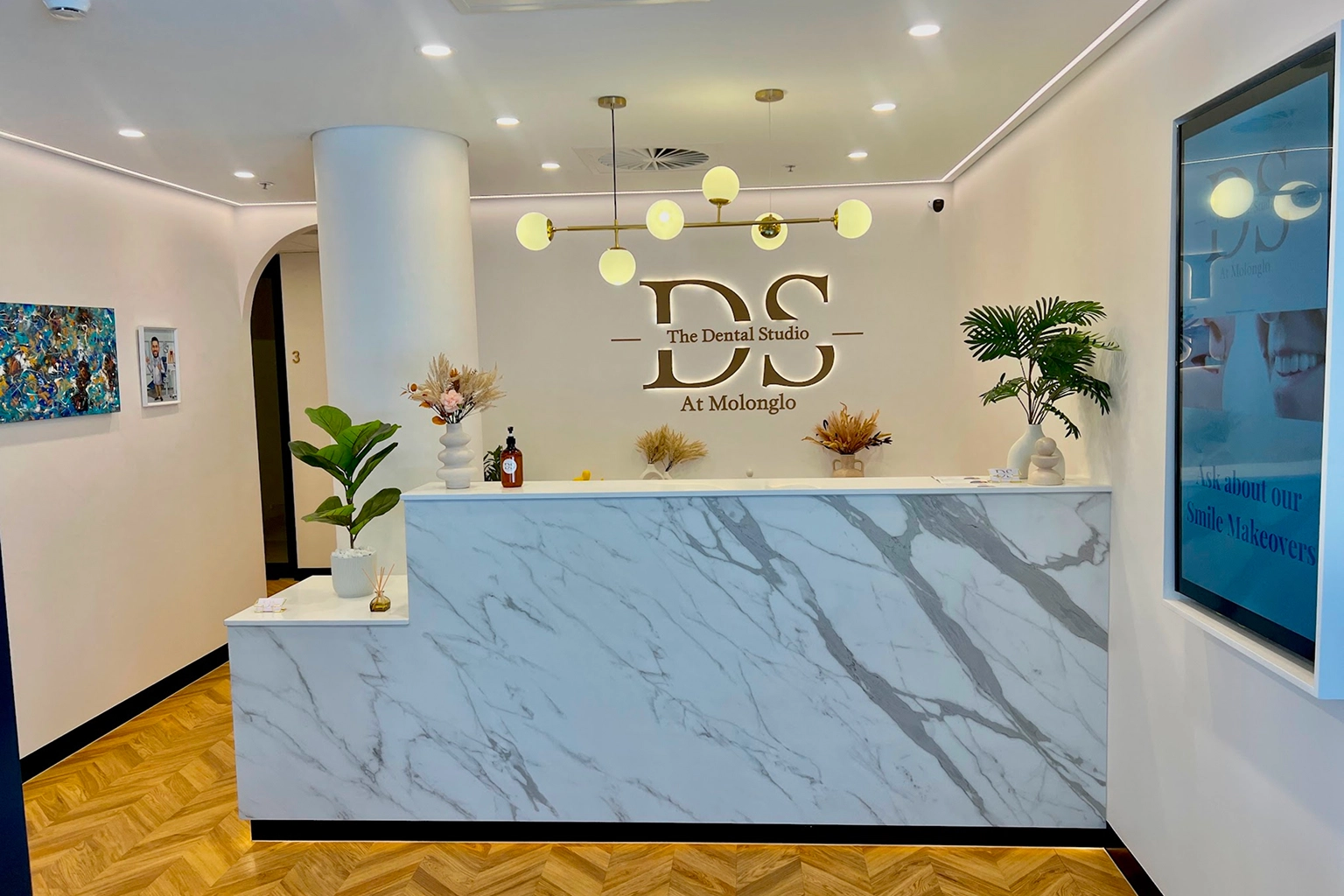
The Dental Studio is a modern, family-friendly dental practice in Wright, ACT, offering cosmetic dentistry options that include porcelain veneers. Patients can arrange a consultation to discuss their concerns, have their oral health assessed and receive a personalised explanation of suitable options.
Anyone ready to explore veneers in Wright, ACT, can contact The Dental Studio to ask questions or book an appointment. There is no obligation to know exactly which treatment is needed before attending—the consultation is where those options can be considered clearly and comfortably.
Like all dental treatment, veneers carry risks. Veneers usually involve removing some tooth structure, which cannot be reversed, and they can chip, come loose or need replacing over time. Results vary from person to person. Read the risks and considerations for veneers on our Treatment Risks page, and bring any questions to your consultation.