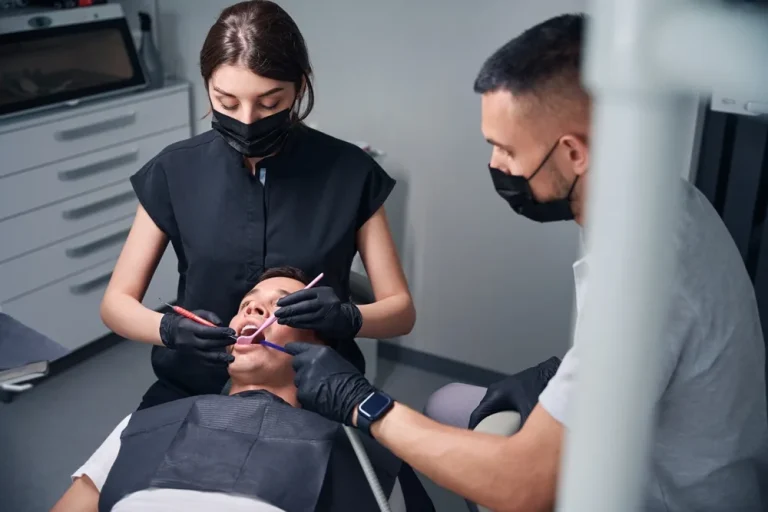
Emergency Dentist Wright Guide to Quick Relief and Care When You Need It Most

When a dental emergency strikes in Wright, finding quick and reliable care is essential. Whether it’s a sudden toothache, a knocked-out tooth, or severe pain, knowing where to turn can make all the difference. An emergency dentist in Wright offers prompt treatment to relieve pain and prevent further damage.
Many local dental offices understand that urgent problems can happen anytime. They provide same-day appointments or after-hours care, ensuring patients are never left waiting when discomfort arises. This friendly approach helps reduce stress and supports faster recovery.
With modern tools and a focus on patient comfort, emergency dentists in Wright handle a wide range of urgent issues safely and effectively. Anyone facing a dental crisis should feel encouraged to reach out for expert help without delay.
Recognizing Dental Emergencies
Dental emergencies can be confusing, but knowing the signs and when to seek care can make a big difference. Some symptoms need prompt attention to avoid complications, while others might be handled with simple first aid until a dentist is available.
Common Signs and Symptoms
Swelling around the face or gums often signals infection or trauma. Severe tooth pain that doesn’t ease with over-the-counter medication usually means the problem is deeper, possibly involving the nerves inside the tooth.
Bleeding that doesn’t stop after 10 minutes or a sudden, sharp increase in pain should raise concern. Broken teeth with visible damage or exposed roots are also clear signs of emergency.
Other symptoms include a loose tooth after an injury or persistent bad breath and taste that could indicate an abscess. Recognizing these signs early helps in preventing more serious issues.
When Immediate Attention Is Needed
Certain conditions require a dentist’s immediate care to prevent permanent damage. If a tooth is knocked out, it should be handled carefully and brought to a dentist within an hour.
Uncontrolled bleeding from the mouth or jaw injuries that cause difficulty breathing or swallowing are emergencies. Severe infections causing fever, swelling under the chin, or spreading redness must be treated quickly to avoid serious health risks.
In cases of intense pain that disrupt daily activities or pain combined with swelling closing the mouth, urgent dental care is necessary. Acting fast preserves oral health and reduces discomfort.
Types of Urgent Dental Issues
Common urgent problems include cracked or chipped teeth, especially if the damage affects chewing or causes sensitivity. Abscessed teeth need quick treatment to control infection and prevent further spread.
Lost fillings or crowns that cause pain or expose the inner tooth are urgent but less critical than injuries involving trauma. Soft tissue injuries in the mouth, such as cuts or bites, also require prompt evaluation to reduce infection risk.
Understanding these issues helps people respond calmly and seek appropriate care without delay or unnecessary worry.
What To Do In a Dental Crisis
Dental emergencies can be stressful, but knowing the right actions to take immediately helps reduce pain and prevent further damage. Managing discomfort and protecting affected areas are key steps before professional care is available.
Steps To Take Before Visiting the Dentist
First, stay calm and assess the situation carefully. If a tooth is knocked out, gently rinse it with water but avoid scrubbing or removing any tissue fragments. Try to place it back in the socket if possible, or keep it in milk or saliva to preserve it.
For bleeding, apply firm pressure with a clean cloth or gauze for 10-15 minutes. Avoid rinsing the mouth aggressively, as this can worsen bleeding. If swelling or severe pain occurs, seek emergency dental care promptly rather than delaying treatment.
How To Manage Pain and Swelling at Home
Over-the-counter pain relievers like ibuprofen or acetaminophen can help control pain. Follow the recommended dosage and avoid aspirin if possible, as it may increase bleeding. Applying a cold compress to the cheek near the injury reduces swelling and numbs the area.
Avoid hot foods and beverages, which can worsen discomfort. Rinse the mouth gently with warm salt water every 2-3 hours to soothe irritated gums. These steps provide temporary relief but do not replace professional evaluation.
Protecting Damaged Teeth and Gums
If a tooth is chipped or cracked, avoid chewing on that side to prevent further injury. Cover sharp edges with dental wax or sugarless gum to protect the tongue and cheek. For loose teeth, do not try to move or wiggle them excessively.
Keep the mouth clean by rinsing gently but avoid aggressive brushing around injured areas. Soft foods and plenty of water help maintain oral hygiene without aggravating damage. Prompt dental care is important to repair trauma and preserve oral health.
Modern Emergency Treatments in Wright
Emergency dental care in Wright uses the latest technology and techniques to quickly diagnose problems, restore damaged teeth, and ensure patient comfort. These advances help reduce pain and anxiety while providing prompt, effective solutions for unexpected dental issues.
Digital Diagnostic Tools
Dentists in Wright rely on digital X-rays and 3D imaging to identify dental emergencies with precision. These tools reveal fractures, infections, and other hidden problems faster than traditional methods. For example, cone beam CT scans provide detailed images of tooth roots and jawbone, supporting accurate diagnosis. This means quicker treatment decisions and less waiting for patients.
Digital tools also reduce radiation exposure, making the diagnostic process safer while offering clear images. This precision helps dental professionals recommend targeted treatments, avoiding guesswork. Patients often appreciate the ability to see their dental issues on a screen, which helps them understand the urgency and the necessary care steps.
Immediate Restoration Solutions
When it comes to fixing damaged teeth, emergency dentists in Wright use materials that can be applied quickly and look natural. Composite resins, for instance, allow for same-day repairs of chipped or broken teeth. These tooth-colored fillings blend seamlessly with the natural tooth, restoring both function and appearance right away.
In cases of severe damage, dentists may fit a temporary crown or dental bonding to protect the tooth while arranging a more permanent solution. The goal is to stop pain, prevent further damage, and maintain oral health until full treatment can be completed. These restoration methods minimize time spent in the dentist’s chair during an emergency visit, easing patient stress.
Comfort-Focused Care Options
Emergency dental care in Wright prioritizes patient comfort during procedures. Local anesthesia is used to numb only the affected area, ensuring patients do not feel pain during treatment. Additionally, some practices offer nitrous oxide sedation to reduce anxiety for those who find dental emergencies particularly stressful.
Dentists also focus on gentle techniques, explaining each step to keep patients informed and at ease. Soft tissue treatments and careful handling help reduce swelling and discomfort post-treatment. Comfort-focused care means patients can handle their emergency with less fear and recover more smoothly, encouraging timely visits when problems arise.
Finding Timely Care in Your Community
Emergency dental care requires quick decisions and access to reliable local providers. Knowing what to look for, what happens during your visit, and when you can find care outside normal hours will ease the stress of urgent dental problems.
How To Choose the Right Practice
Selecting an emergency dentist involves more than just proximity. Look for clinics with positive patient reviews that highlight prompt appointments and gentle care. A practice offering modern equipment and clear communication can make urgent visits less intimidating.
It helps if the dentist is experienced in handling emergencies like severe toothaches, broken teeth, or swelling. Checking whether the office accepts your insurance or offers flexible payment options is also important. A welcoming staff that prioritizes patient comfort often reflects good overall care.
What To Expect When You Arrive
Upon arriving, the front desk will typically ask about your symptoms and dental history. You may fill out basic paperwork, which helps the dental team understand your needs quickly. Emergency visits usually start with a brief exam and, if needed, X-rays to diagnose the problem accurately.
Treatment depends on the urgency. Pain relief and infection control come first, possibly followed by temporary fixes. The dentist will explain the next steps, whether it’s follow-up care or a referral to a specialist. Keeping patients informed is a priority to reduce anxiety.
After-Hours and Weekend Availability
Not every dental office is open when emergencies strike outside normal business hours. Identifying clinics with after-hours or weekend services is crucial. Many emergency dentists provide on-call support, ensuring someone is reachable when you need care the most.
Some practices offer walk-in appointments during evenings or weekends. Online scheduling and call-ahead services can save time and avoid long waits. Knowing these options in advance helps patients act quickly and avoid worsening conditions.
Preventing Future Dental Emergencies
Taking consistent steps to protect teeth and gums can significantly reduce the chance of unexpected dental issues. Simple daily habits, thoughtful choices in activities, and regular professional care all play important roles in keeping smiles safe and healthy.
Proactive Oral Health Habits
Good oral hygiene is the foundation for preventing emergencies. Brushing twice a day with fluoride toothpaste removes plaque that can cause cavities or gum disease, both common triggers for urgent dental visits.
Flossing once daily clears food particles stuck between teeth, preventing decay in those hard-to-reach spots. Avoiding excessive sugar and acidic foods also helps maintain enamel strength.
If grinding teeth is an issue, using a night guard can protect against cracks and chips. Drinking plenty of water supports saliva production, which naturally cleans the mouth and neutralizes acids.
Protective Gear for Sports and Activities
Wearing the right protective gear is crucial for anyone active in physical sports or hobbies. Custom-fitted mouthguards cushion impacts and reduce the risk of broken teeth or jaw injuries.
Helmets with face shields protect against unexpected blows to the mouth area, especially in contact sports like football or hockey. For children and teens, adjusting gear as they grow ensures continued protection.
Investing in quality, well-fitting equipment may seem extra, but it prevents costly dental emergencies that can disrupt daily life and cause pain.
Routine Dental Check-Ups
Regular visits to the dentist are key to catching small problems before they become emergencies. Professional cleanings remove tartar buildup that brushing can’t handle at home.
During check-ups, dentists screen for early signs of decay, infections, or structural issues such as loose fillings or cracked teeth. Early treatment can stop minor damage from escalating.
Scheduling appointments every six months or as recommended allows the dental team to monitor changes and offer advice tailored to individual needs. This proactive approach keeps teeth strong and emergencies rare.
Supporting Your Dental Wellbeing
Maintaining good dental health goes beyond the occasional visit to the emergency dentist in Wright. It involves daily habits that protect teeth and gums from issues before they start. Simple routines like brushing twice a day with fluoride toothpaste and flossing can make a big difference.
Eating a balanced diet rich in fruits and vegetables supports strong teeth. Limiting sugary snacks and drinks helps reduce the risk of cavities. Staying hydrated with water also helps wash away food particles and keeps the mouth fresh.
Regular dental check-ups are key to catching problems early. These visits allow professionals to spot signs of trouble, like early decay or gum inflammation, before they turn into emergencies. Patients should feel comfortable asking questions about their care or any changes they notice.
If pain or injury does occur, seeking prompt treatment from an emergency dentist in Wright can prevent further damage. Many local clinics offer flexible scheduling for urgent needs, combining modern dental technology with a caring approach.
| Tips for Supporting Dental Wellbeing |
|---|
| Brush twice daily with fluoride toothpaste |
| Floss once a day to remove hidden debris |
| Limit sugary foods and drinks |
| Drink plenty of water |
| Attend regular dental check-ups |
| Don’t delay seeking emergency care if needed |
Taking these steps helps protect smiles and keeps visits to the dentist positive and stress-free. Encouraging patients to be proactive supports long-term dental health and confidence.
Frequently Asked Questions
Knowing when a tooth issue needs immediate attention can save pain and prevent complications. Quick actions after injury and home pain management are crucial until a dentist can provide care. Understanding the cost and what to expect during an urgent visit helps reduce stress. Prevention tips are also key for long-term oral health.
What signs mean my tooth problem is an emergency versus something that can wait until morning?
Severe pain, swelling, bleeding, or a knocked-out tooth are clear signs of a dental emergency. If there’s difficulty breathing or swallowing, it requires immediate care. Mild discomfort or sensitivity usually can wait until regular office hours.
What should I do right away if I knock out a tooth before I can get to a dentist?
Find the tooth and hold it by the crown, not the root. Rinse it gently if dirty but don’t scrub. Try to place it back in the socket and hold it in place, or keep it in milk or saliva to keep it moist until dental help is available.
How can I safely manage severe tooth pain at home until I’m seen?
Rinse your mouth with warm salt water to reduce inflammation. Use over-the-counter pain relievers like ibuprofen as directed. Avoid very hot, cold, or sugary foods and maintain gentle oral hygiene around the painful area.
What happens during an urgent dental visit, and what treatments are commonly offered for quick relief?
The dentist will assess pain, swelling, or damage, often using X-rays. Treatments might include pain medications, antibiotics, tooth extractions, or temporary fillings. The goal is to stop pain and prevent infection before a full treatment plan.
How much does an emergency dental appointment typically cost, and are payment plans or insurance options available?
Costs vary but expect an initial exam fee plus treatment charges. Many emergency dentists accept insurance and offer payment plans or financing. Patients should check their coverage and ask about options when booking.
How can I prevent dental emergencies in the future, especially if I’ve had issues like cracked teeth or infections before?
Regular dental check-ups and cleanings help catch problems early. Wearing mouthguards during sports and avoiding hard foods reduces risk. Following any specific advice for prior conditions keeps teeth stronger and healthier.