


Your Questions About
Dental Implants, Answered
At The Dental Studio, we understand that choosing dental implants is a significant decision that comes with many questions. We have compiled answers to some of the most frequently asked questions. Your dentist will explain the risks and alternatives that apply to you.
Risks and Considerations
Dental implants are a surgical procedure and carry risks. These can include infection, bleeding, swelling, bruising, nerve injury (which may cause temporary or permanent numbness or altered sensation in the lip, chin, tongue or gums), sinus complications for upper implants, implant failure or need for removal, bone loss around the implant, damage to adjacent teeth, and the need for additional procedures such as bone grafting. Healing time and results vary. Your dentist will discuss the risks, alternatives and costs that apply to you at your consultation.
Book Your AppointmentAt The Dental Studio, we are happy to answer your questions. If you have more questions or are ready to explore dental implants, contact us to arrange a consultation.
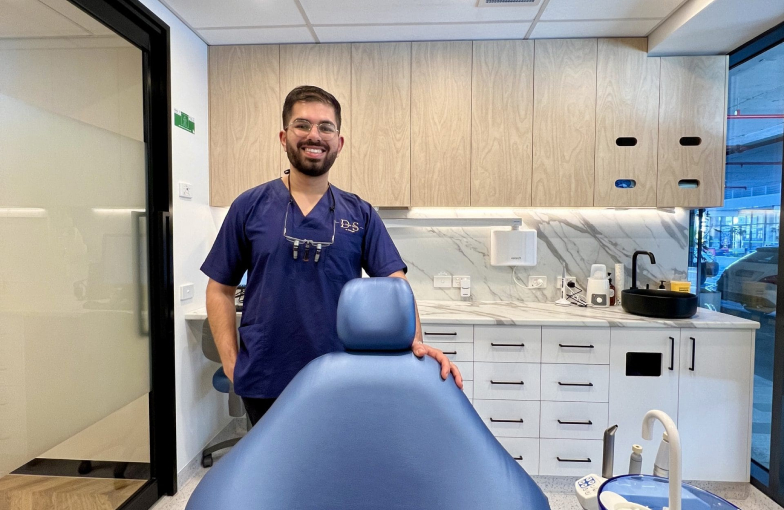
Meet Dr. Bhanu
Dr Bhanu Shamdasani is a registered general dentist with a focus on implant dentistry. He also provides general and cosmetic dentistry, including veneers and clear aligners, to patients of all ages at The Dental Studio at Molonglo in Wright, Canberra.
Dr Bhanu Shamdasani, Dentist, General registration, AHPRA DEN0002585869. Qualifications: Bachelor of Health Sciences in Dentistry and Master of Dentistry, La Trobe University.
Meet Dr. Bhanu →
Common Questions About Dental Implants
What Are Dental Implants?
Dental implants are titanium posts surgically placed into the jawbone to act as a stable foundation for replacement teeth. They are one option to replace missing teeth. Suitability and outcomes vary.
How Long Do Dental Implants Last?
How long implants last varies between patients and depends on individual circumstances and maintenance. Implants can fail or need repair. Regular dental check-ups and good oral hygiene are key to extending the lifespan of your implants.
Is the Implant Procedure Painful?
The dental implant procedure is typically performed under local anaesthesia, so the area is numb during surgery. Some discomfort, swelling and bruising afterwards is common and varies between people. Your dentist will advise on pain relief and recovery.
Am I a Suitable Candidate for Dental Implants?
Candidates for dental implants generally need healthy gums and sufficient bone density to support the implant. Our team will assess your oral health and medical history to determine your suitability during a comprehensive consultation.
How Long Does the Implant Process Take?
The dental implant process varies depending on individual needs but typically takes a few months. This period includes the initial placement of the implant and the healing time needed for the implant to integrate with the jawbone before the final restoration.
About our implant care
- Comprehensive Care We support you from consultation through to final restoration.
- Imaging: We use X-rays and CBCT scans where clinically indicated.
- Personalised Treatment Plans: Tailored to your dental health and goals.
What can I expect during my first visit to a new dentist?
During the first visit, the dentist will review your dental and medical history. They will take the time to examine your teeth, gums and mouth carefully, with X-rays only where clinically indicated.
The dentist will discuss any concerns and outline a treatment or prevention plan tailored to your needs. There’s no rush, and the goal is to make you feel comfortable and clear about your oral health.
How often should I schedule a dental check-up?
How often you need a check-up depends on your oral health, age and any issues your dentist is monitoring. Your dentist will recommend an interval that suits you, and people with ongoing dental problems or risk factors such as gum disease may need to be seen more often.
What are the signs I might need more than just a routine dental check-up?
Pain, swelling, or bleeding gums are signs to seek prompt care beyond a regular check-up. Persistent bad breath or loose teeth are worth having checked.
If you notice sores that don’t heal or changes in the mouth’s appearance, it is important to schedule an appointment quickly.
What should I expect during my first dental check-up?
During a first visit, the dentist typically performs a thorough examination of the teeth, gums, and bite. They may take X-rays to assess areas not visible to the eye and check for early signs of decay or gum disease.
The dentist usually follows with a clean to remove plaque and tartar buildup. They also discuss oral hygiene habits and recommend any needed treatments. The goal is to establish a baseline for ongoing care and help the patient feel comfortable with the process.
How often should I really get dental cleanings?
Your dentist will recommend how often you need a professional clean, based on your oral health and risk factors. Regular cleans help remove hardened plaque (tartar) that brushing alone can’t reach and allow your dentist to detect problems early. Some patients, such as those with gum disease or a history of decay, may need more frequent visits.
Some patients—such as those with gum disease or a history of cavities—may need more frequent visits. The exact schedule depends on each person’s oral health and risk factors.
Can you explain what a cavity is and how it’s treated?
A cavity is a small hole in the tooth caused by bacteria that produce acids from sugars in food and drinks. Over time, that acid erodes the enamel and can spread deeper if left untreated.
Dentists treat cavities by removing the decayed portion and filling the area with a durable material like composite resin, amalgam, or ceramic. In early stages, fluoride treatments may help strengthen enamel and stop decay before a filling is needed.
What are the recommended techniques for cleaning dental implants at home?
Patients should brush at least twice a day using a soft-bristled toothbrush and low-abrasive toothpaste. Gentle circular motions help clean the implant surface and gums without scratching the titanium or irritating tissue.
Flossing once a day using implant-safe floss or a water flosser removes debris and plaque from hard-to-reach spaces. An antimicrobial mouth rinse can also support gum health and reduce bacteria buildup.
What are some common tools used for at-home dental implant care?
Soft manual or electric toothbrushes, rubber-tip stimulators, and implant-specific floss are helpful daily tools. Many people also use interdental brushes with nylon-coated wires that prevent scratching implant surfaces.
A low-pressure water flosser can replace or complement traditional flossing, particularly for patients with multiple implants. Each tool should be selected based on comfort and guidance from a dental professional.
Can you explain the differences between cosmetic and restorative dentistry?
Cosmetic dentistry includes treatments such as whitening, veneers and bonding, which change the colour or shape of teeth for people who choose them.
Restorative dentistry repairs or replaces damaged or missing teeth to help you eat and speak comfortably.
The Dental Studio at Molonglo
Hours Of Operation
- Monday - Friday: 9AM - 7PM
- Saturday: Closed
- Sunday: Closed