


About Wisdom Tooth Removal
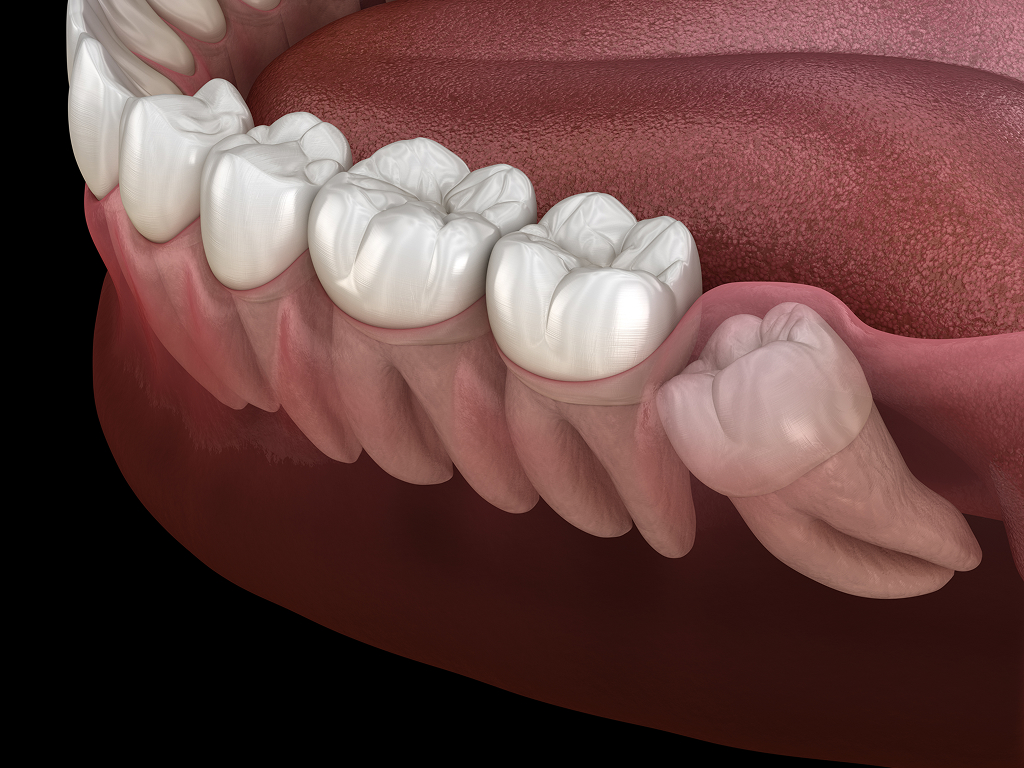
Wisdom teeth, or third molars, are the last set of teeth to emerge, typically appearing in late adolescence or early adulthood. When there is not enough room, wisdom teeth can become impacted or only partly come through, which can lead to pain, swelling, infection or decay. If yours are causing trouble, we can check them and explain your options. Wisdom teeth removal is a common procedure aimed at preventing or resolving these issues. Wisdom tooth removal is a surgical procedure. Some discomfort and swelling is common afterwards. Local anaesthetic is used. Treatment risks and considerations can be found here.
Introduction
Wisdom teeth are the last molars to come through, usually in the late teens or early twenties. When there is not enough room they can become impacted or only partly erupt. Our dentists assess your wisdom teeth and explain whether removal is recommended.
When removal may be recommended
- Pain, swelling or repeated infection around a partly erupted tooth.
- Decay or damage to the wisdom tooth or the tooth next to it.
- Gum problems around the tooth that are difficult to keep clean.
- Before or during orthodontic treatment, where your dentist advises it.
- Planned removal under local anaesthetic, with clear aftercare instructions.
Results vary from person to person and all treatment carries risks.
Read the risks and considerations below, or on our
Treatment Risks page.
What to expect
- Examination and an OPG or CBCT where clinically indicated.
- Removal under local anaesthetic.
- Aftercare advice and a review if needed. Recovery usually takes days to a couple of weeks.
Treatment is provided by our registered dentists. See Meet the team for each dentist’s registration details.
Who Needs Wisdom Teeth Removal?
Not everyone will need their wisdom teeth removed, but your dentist can keep an eye on them at your check-ups. Wisdom teeth removal is often recommended for individuals experiencing pain, swelling, or infection caused by impacted or partially erupted teeth. Removal may also be recommended where a wisdom tooth is damaging the tooth next to it, or where your dentist advises it as part of orthodontic treatment. Not every wisdom tooth needs to come out, and your dentist will tell you if yours can simply be monitored. Our dentists assess each patient and discuss treatment options.


Why Removal May be Recommended
- Pain, swelling or infection around impacted or partly erupted teeth.
- A risk to neighbouring teeth from decay or damage.
- Wisdom teeth that interfere with orthodontic treatment.
At The Dental Studio, we understand that the thought of tooth extraction can be daunting. Your dentist will explain what to expect before and after your procedure.
Meet Dr. Bhanu
Dr Bhanu Shamdasani is a registered general dentist with a focus on implant dentistry. He also provides general and cosmetic dentistry, including veneers and clear aligners, to patients of all ages at The Dental Studio at Molonglo in Wright, Canberra.
Dr Bhanu Shamdasani, Dentist, General registration, AHPRA DEN0002585869. Qualifications: Bachelor of Health Sciences in Dentistry and Master of Dentistry, La Trobe University.
Meet Dr. Bhanu →
Frequently Asked Questions
What Are Impacted Wisdom Teeth?
What Symptoms Indicate Wisdom Teeth Should Be Removed?
Is Wisdom Tooth Removal A Surgical Procedure?
How Long Does Wisdom Tooth Extraction Take?
What Should I Eat After Wisdom Tooth Removal?
How Can I Reduce Swelling After Surgery?
What Is Dry Socket?
When Can I Resume Normal Activities?
Are Stitches Required After Extraction?
Will my health fund cover wisdom tooth removal?
The Dental Studio at Molonglo
Hours Of Operation
- Monday - Friday: 9AM - 7PM
- Saturday: Closed
- Sunday: Closed