


Full arch implant treatment replaces all the teeth in the upper or lower jaw with a fixed bridge supported by several implants, usually four to six. It is designed for people who have lost most or all of their teeth, or whose remaining teeth cannot be saved, and as an alternative to full dentures.
Features of full arch implant treatment
- Fixed teeth: the bridge is attached to the implants and can only be removed by your dentist, so there is no denture adhesive.
- Chewing and speech: designed to support chewing and speech, with the aim of restoring function and appearance.
- Fewer implants for a full arch: several implants, placed at planned angles, support a whole arch of teeth.
- Provisional teeth: in some suitable cases, temporary teeth may be fitted on the day of surgery while the implants heal.
- Designed for you: the final teeth are designed to suit your face, bite and preferences, with your input during planning.
- Fixed or removable: implant-supported overdentures are a removable alternative that clip onto implants and can be taken out for cleaning.
Results vary from person to person and all treatment carries risks.
Read the risks and considerations below, or on our
Treatment Risks page.
What to expect
- Consultation and 3D imaging, with a written plan, timeline and costs.
- Surgery under local anaesthetic, which may include removal of remaining teeth and placement of the implants.
- Healing over several months with provisional teeth, a soft diet at first and review visits.
- Final bridge designed and fitted once the implants have integrated, followed by regular hygiene visits and reviews.
Treating dentist: Dr Bhanu Shamdasani, Dentist, General registration,
AHPRA DEN0002585869.
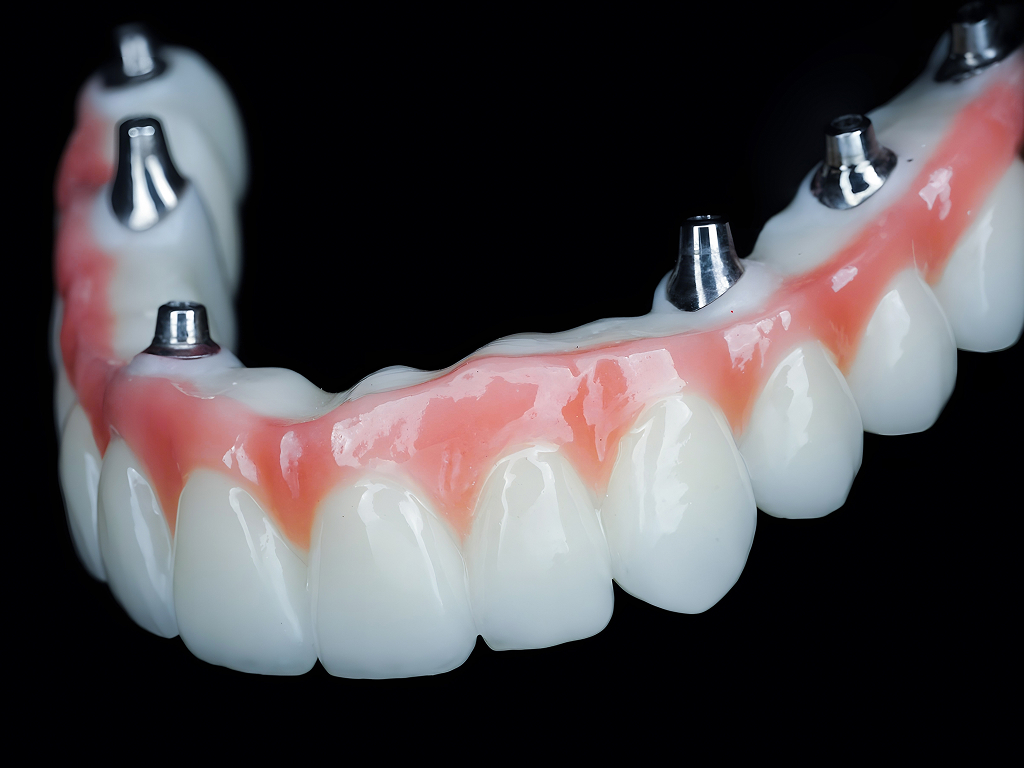
About Full Arch Implants
Full arch implant treatment is one option to replace missing teeth. How long it lasts varies between patients and depends on individual circumstances and maintenance. Your dentist will discuss the risks and alternatives before you decide.
Exploring Your Full-Mouth Implant Options
- Dental Implants: implants can support replacement teeth. Suitability and outcomes vary. Implants can fail or need maintenance.
- Implant-Supported Dentures: dentures that attach to implants and can be removed for cleaning.
- Dental bridges: a non-surgical way to replace missing teeth. Bridges are made to match neighbouring teeth as closely as clinically possible.
Your treatment journey
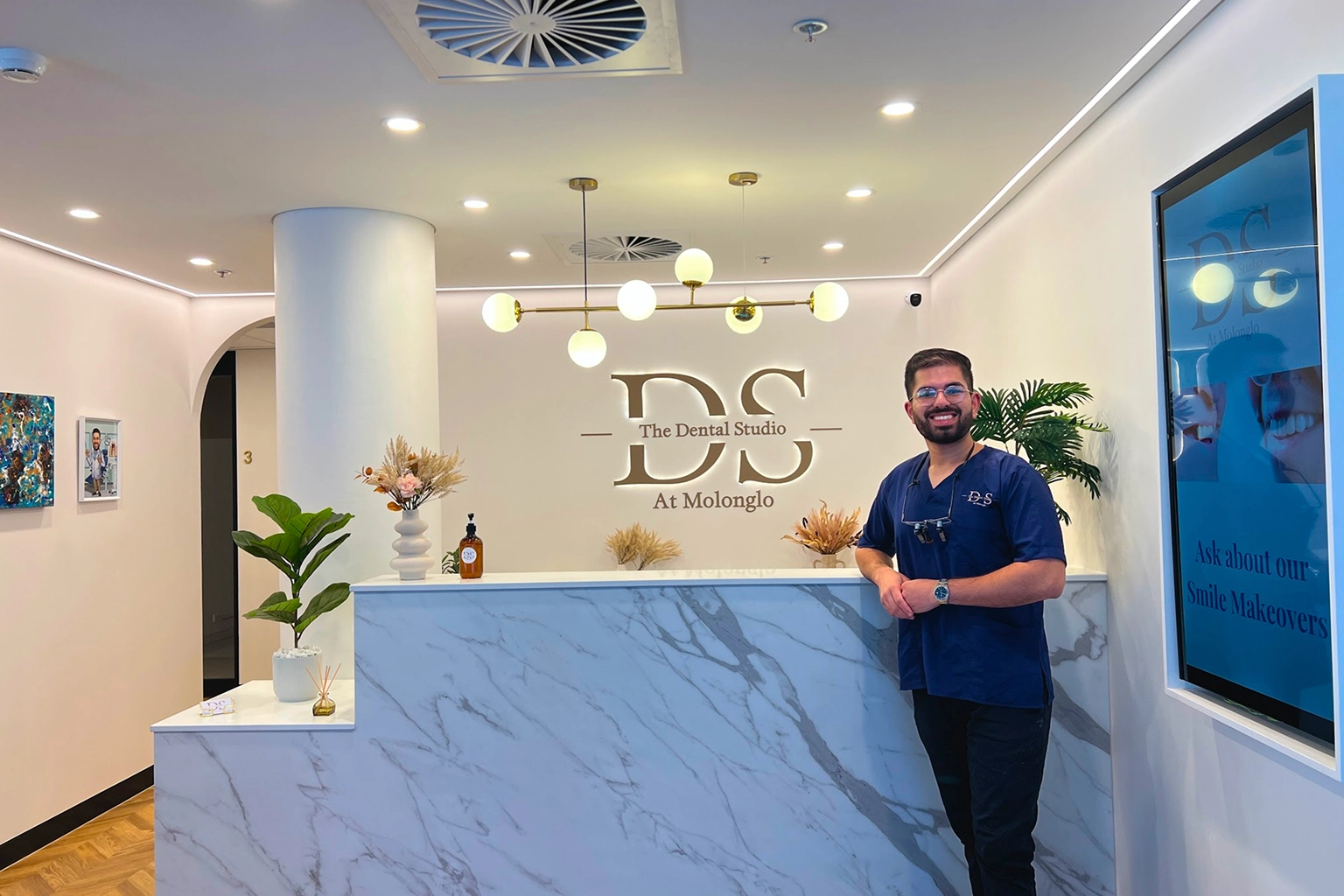
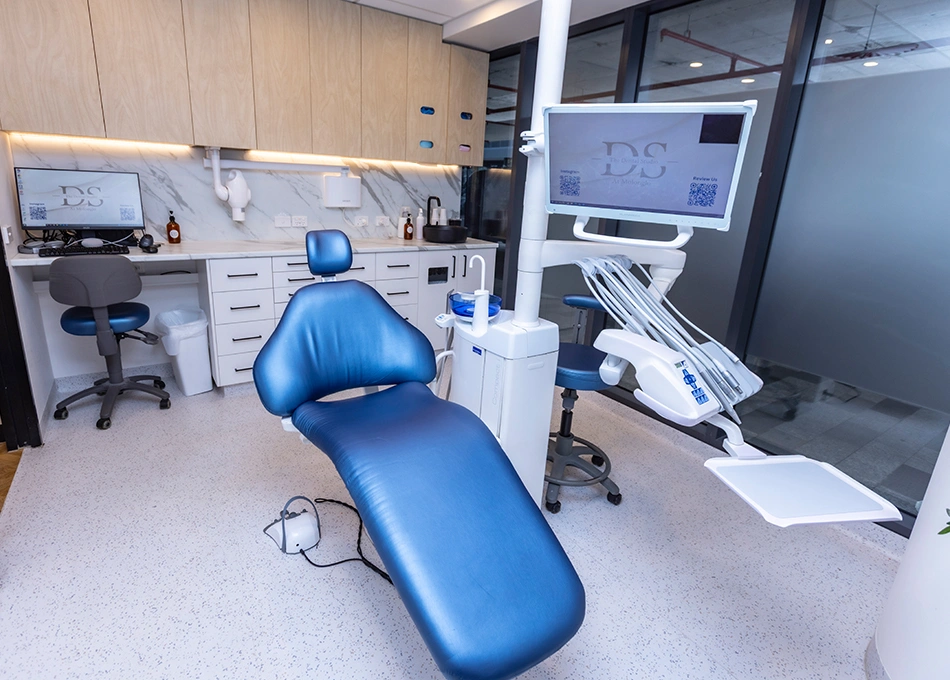
- Consultation and Personalised Plan: Your journey starts with a consultation at The Dental Studio. We plan your treatment with you, based on your dental health and goals.
- Implant Placement: Implants are placed with the aim of achieving stable integration. Implants can fail.
- Custom Restoration and Ongoing Care: We fit custom restorations made to match neighbouring teeth as closely as clinically possible, and schedule follow-up visits.
Why Choose The Dental Studio in Canberra?
We provide implant dentistry, including full arch implant treatment, at our Wright clinic.

Risks and Considerations
Implants
Implant treatment is surgery. Risks include pain, swelling, bruising, bleeding and infection. The implant may fail to integrate with the bone and need removal or replacement. Other risks include damage to nearby teeth, nerves or blood vessels (which can cause numbness or altered sensation that is occasionally permanent), sinus complications in the upper jaw, gum recession, bone loss around the implant, and loosening or fracture of the implant, screw or crown. Smoking, diabetes, gum disease and poor oral hygiene increase the risk of failure. Ongoing cleaning, regular reviews and repairs are needed, and the crown or components may need replacing. Bone grafting or other additional procedures may be needed at extra cost. Results and how long an implant lasts cannot be guaranteed. Alternatives include no treatment, a bridge or a denture.
Full Arch
All risks listed for dental implants apply. Full arch treatment is major surgery, often involves removal of remaining teeth, and needs a recovery period of several weeks, with full healing taking months. Provisional teeth are temporary and can fracture or loosen. You may need a soft diet, and changes to speech, bite and comfort are common during adjustment. One or more implants may fail, which can need further surgery or a change to the treatment plan. The final teeth may need adjustment, repair or replacement over time. Regular hygiene visits and reviews are essential. Alternatives include conventional dentures, fewer implants with a partial restoration, or no treatment.
Meet Dr. Bhanu
Dr Bhanu Shamdasani is a registered general dentist with a focus on implant dentistry. He also provides general and cosmetic dentistry, including veneers and clear aligners, to patients of all ages at The Dental Studio at Molonglo in Wright, Canberra.
Dr Bhanu Shamdasani, Dentist, General registration, AHPRA DEN0002585869. Qualifications: Bachelor of Health Sciences in Dentistry and Master of Dentistry, La Trobe University.
Meet Dr. Bhanu →
Frequently Asked Questions
What Are Full Mouth Dental Implants?
How Many Implants Are Needed For Full Arch Restoration?
Are Full Mouth Implants Permanent?
What Is The Difference Between Fixed And Removable Implant Solutions?
How Long Does Full Mouth Implant Treatment Take?
Is Bone Grafting Required For Full Mouth Implants?
Can I Eat Normally After Full Mouth Implant Treatment?
How Do I Clean Full Arch Implants?
What Are The Benefits Of Full Mouth Implants Over Dentures?
Am I A Candidate For Full Mouth Implants At The Dental Studio?
The Dental Studio at Molonglo
Hours Of Operation
- Monday - Friday: 9AM - 7PM
- Saturday: Closed
- Sunday: Closed