


About Teeth Whitening
Teeth whitening is a cosmetic dental treatment that may help reduce the appearance of certain stains and discolouration on the teeth. Staining can occur over time due to factors such as coffee, tea, red wine and tobacco use. Your dentist can assess your teeth and discuss whether whitening is suitable for you, including the potential results, limitations and considerations of treatment.
Introduction
Professional teeth whitening uses a whitening gel, applied or supervised by a dentist, to lighten the colour of natural teeth. It is a non-surgical cosmetic treatment for staining from things like coffee, tea, red wine and tobacco, and for natural darkening with age.
Features of professional whitening
- Supervised by a dentist: your teeth and gums are checked first, so problems such as decay or gum disease are treated before whitening.
- Tailored to you: the strength and method are chosen to suit your teeth and sensitivity.
- Tooth structure: whitening does not remove enamel, but sensitivity and gum irritation are common and usually settle within a few days.
- Can be planned with other treatment: if you are considering veneers or crowns, whitening first can help set the shade they are matched to.
- Maintenance options: your dentist can advise on touch-ups to help the result last. Colour can return over time.
Results vary from person to person and all treatment carries risks.
Read the risks and considerations below, or on our
Treatment Risks page.
What to expect
- Check-up and assessment of suitability.
- Whitening in the chair, at home with custom trays, or both.
- Review and advice on keeping the result.
- Recovery: sensitivity and gum irritation during and after whitening are common and usually settle within a few days. Your dentist will advise what to avoid while your teeth settle.
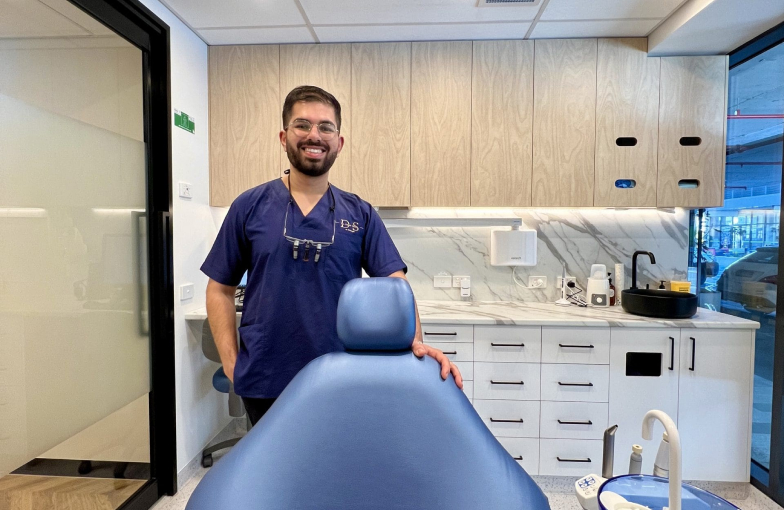
Treating dentist: Dr Bhanu Shamdasani, Dentist, General registration,
AHPRA DEN0002585869.
Risks and Considerations
Teeth whitening is a cosmetic treatment and, like all dental treatment, it carries risks. Results vary from person to person and cannot be guaranteed. Treatment risks and considerations can be found here.
Possible risks include:
- Tooth sensitivity during and after treatment. This is common and usually temporary, but can last longer in some people.
- Irritation or burning of the gums, lips or soft tissues from the whitening gel
- Uneven or patchy colour, particularly where teeth have white spots or different levels of staining
- Some stains, such as those caused by certain medications, tooth injury or developmental conditions, may not respond to whitening
- Whitening does not change the colour of existing fillings, crowns, veneers or bonding. These may no longer match your natural teeth and may need replacing, at additional cost
- Results are not permanent. Colour can return over time, especially with coffee, tea, red wine or tobacco use
- Overuse of whitening products can damage teeth and gums
Whitening is not suitable for everyone. It is generally not recommended during pregnancy or breastfeeding, for children, or where there is untreated tooth decay, gum disease, cracked teeth or exposed roots. A dental examination is required before treatment to check whether whitening is suitable for you. Alternatives may include a professional scale and clean, composite bonding, veneers, or no treatment.
Treating dentist: Dr Bhanu Shamdasani, Dentist, General registration, AHPRA DEN0002585869
Who Can Benefit from Teeth Whitening?
Whitening may suit adults whose teeth are stained by lifestyle factors. A dental assessment is needed to check whether whitening is suitable for your teeth and gums.
What the treatment involves
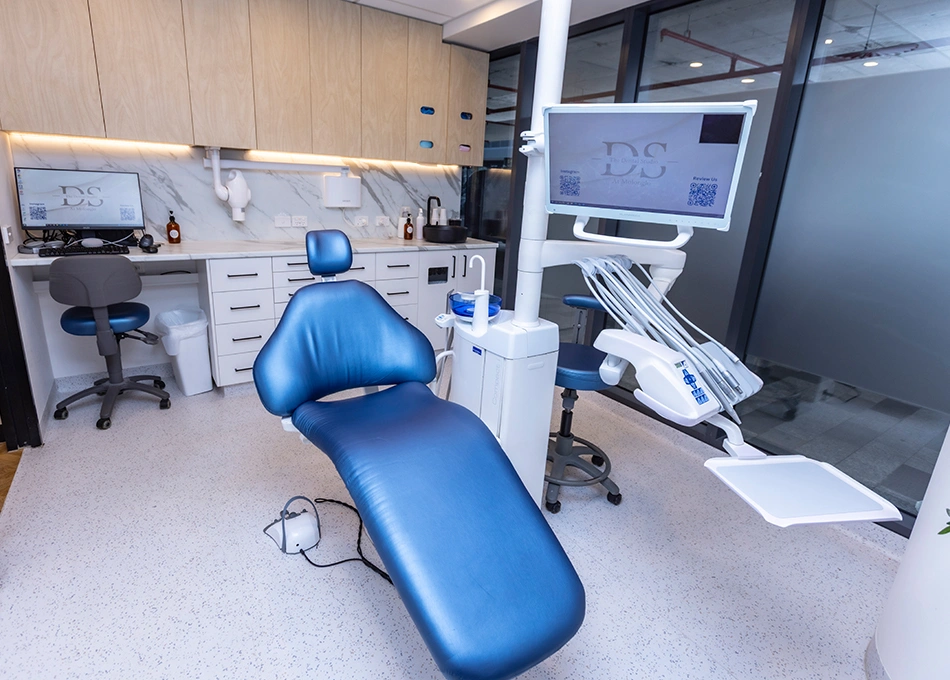
- Whitening gel is applied by a registered dentist.
- Results vary and are not permanent.
- Sensitivity and gum irritation are common and usually temporary.
Meet Dr. Bhanu
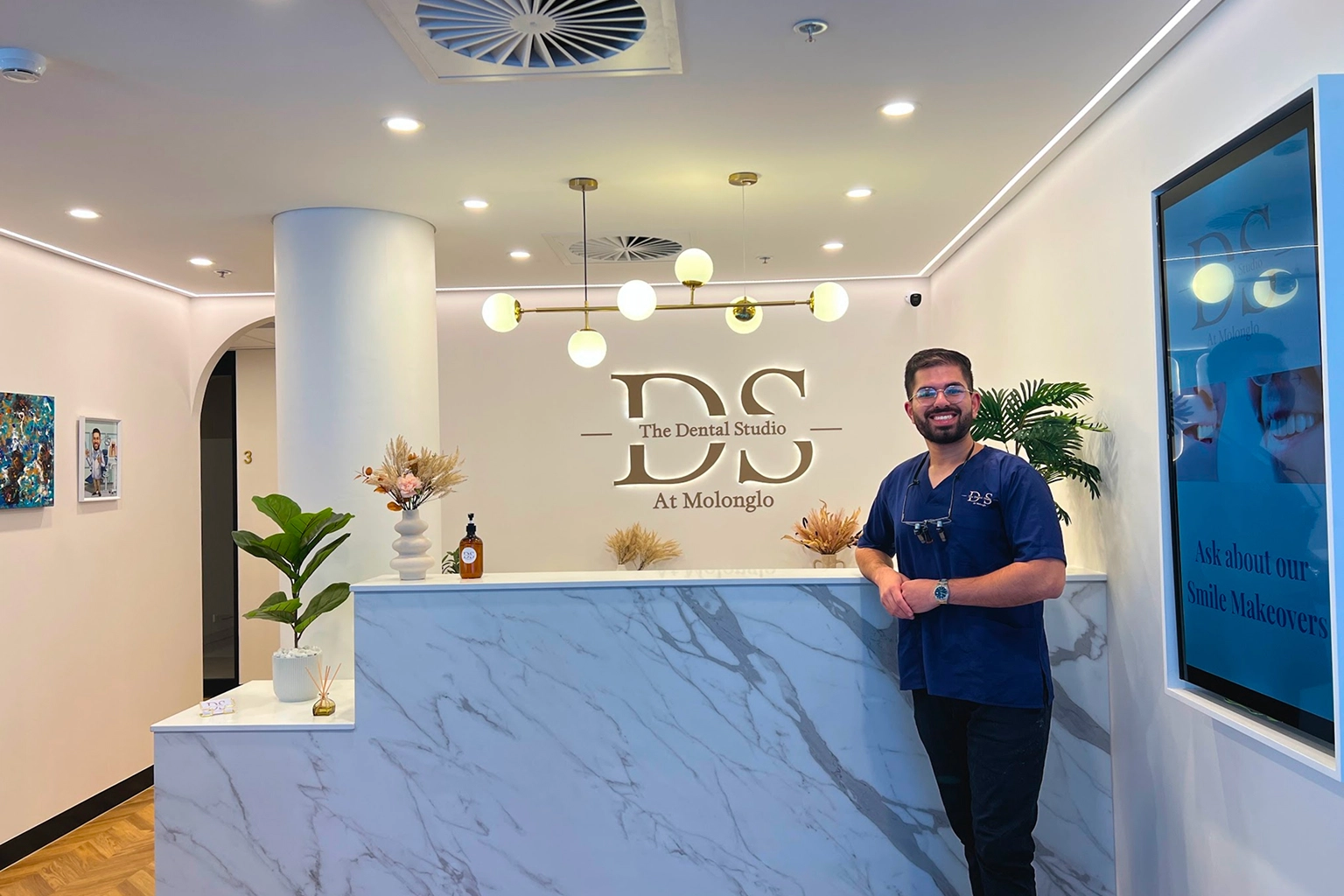
Dr Bhanu Shamdasani is a registered general dentist with a focus on implant dentistry. He also provides general and cosmetic dentistry, including veneers and clear aligners, to patients of all ages at The Dental Studio at Molonglo in Wright, Canberra.
Dr Bhanu Shamdasani, Dentist, General registration, AHPRA DEN0002585869. Qualifications: Bachelor of Health Sciences in Dentistry and Master of Dentistry, La Trobe University.
Meet Dr. Bhanu →
Frequently Asked Questions
What is professional teeth whitening and how does it work?
A whitening gel is applied to the teeth under dental supervision to reduce staining. Results vary between people and all treatment carries risks.
What causes teeth to become discoloured?
Tooth discolouration is incredibly common and happens for many reasons. Everyday culprits include coffee, tea, red wine, dark-coloured foods and tobacco use. Teeth can also dull naturally with age as the outer enamel thins, and certain medications or trauma can affect tooth colour from the inside.
Am I a good candidate for teeth whitening?
Whitening may suit some adults. Existing crowns, veneers and fillings will not change colour. A dental assessment is needed first.
What are the risks of teeth whitening?
Whitening carries risks, including tooth sensitivity and gum irritation. Before treatment, we examine your teeth and gums, because untreated decay, gum disease or exposed roots can increase these risks. Results and side effects vary between individuals. See the Risks and Considerations section above.
How soon will I see results?
The result depends on your starting tooth colour, the type of staining and your individual response. Results are not guaranteed.
How can I keep my teeth white after whitening?
To help your results last, limit strongly staining foods and drinks such as coffee, tea, red wine and dark sauces in the days following treatment, and avoid smoking. Drinking through a straw, rinsing with water after meals, brushing twice a day and keeping up with regular check-ups and cleans may also help. Results are not permanent and colour can return over time.
The Dental Studio at Molonglo
Hours Of Operation
- Monday - Friday: 9AM - 7PM
- Saturday: Closed
- Sunday: Closed