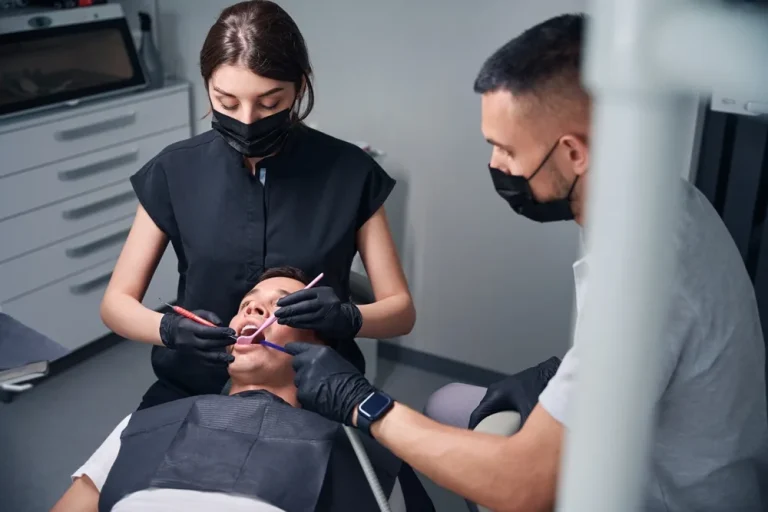
Emergency Dental Services Wright: Immediate Care, Comfort-Focused Treatment, and Aftercare Guidance

When a tooth cracks in the middle of the night or swelling makes swallowing painful, you need clear, rapid guidance you can act on. You can stabilize most dental emergencies at home with simple steps and then connect quickly with a Wright-area dental team for timely treatment.
This post guides you through recognizing true emergencies, what to do immediately to reduce pain and protect teeth, and how to contact local professionals who offer modern, comforting care. Expect practical tips on cost, follow-up care, and preventing future crises so you feel prepared, calm, and supported.
Recognizing Urgent Dental Situations
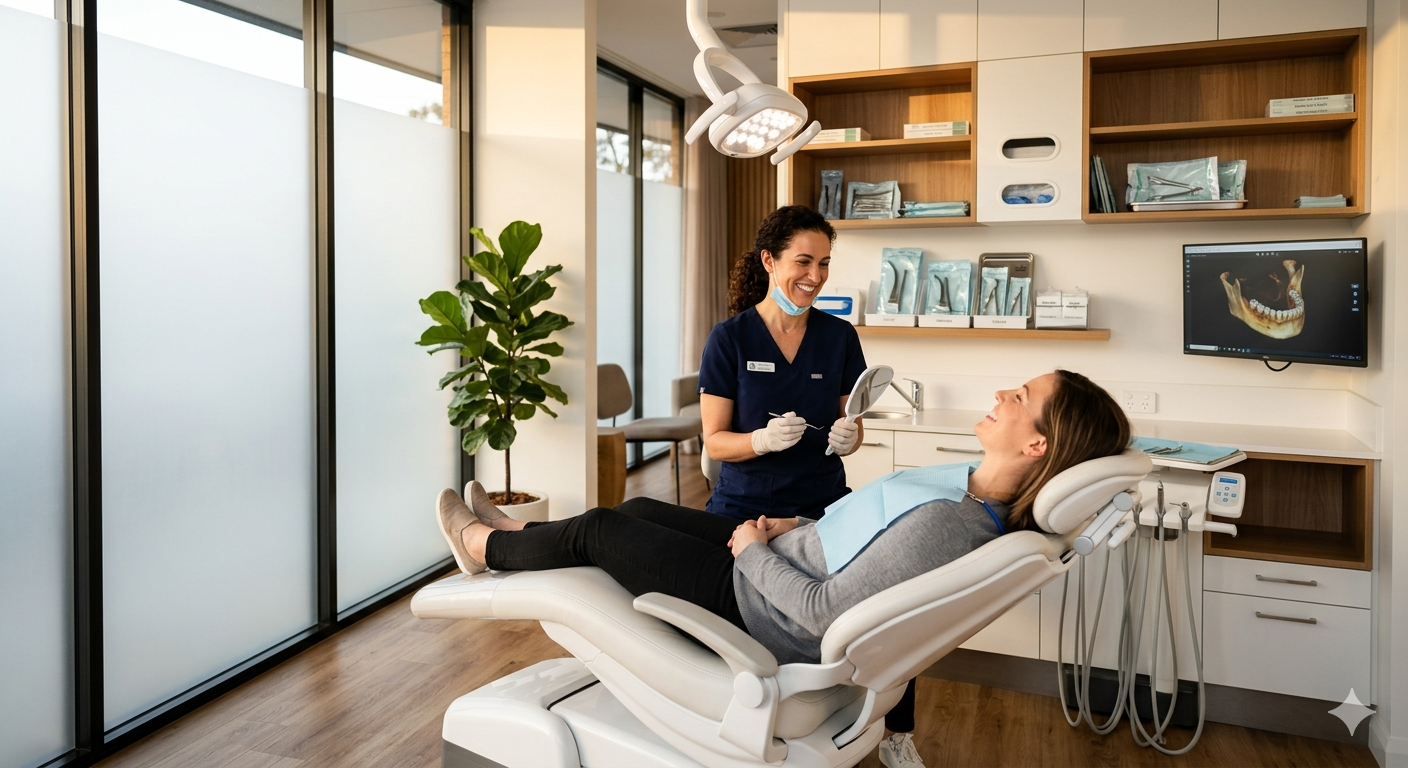
This section highlights clear signs that need prompt attention, how to decide when to get emergency care, and simple ways to judge pain and severity at home.
Common Signs of a Dental Emergency
Severe tooth pain that wakes a person at night, throbs continuously, or causes fever can signal an infection that needs urgent treatment. Visible swelling of the face, jaw, or gums—especially when accompanied by difficulty breathing or swallowing—indicates a possible spreading infection and requires immediate care.
A knocked-out tooth (avulsed) or a tooth that is pushed out of position after trauma should be treated urgently to improve the chance of saving it. Heavy, uncontrolled bleeding from the mouth after an injury or extraction that doesn’t stop with firm pressure for 10–15 minutes needs immediate professional evaluation.
Other urgent signs include a broken crown or sharp tooth fragment causing soft-tissue lacerations, sudden loose teeth from trauma, and severe pain after a root canal or extraction, which can indicate complications.
When to Seek Immediate Help
Seek immediate help for any breathing or swallowing difficulty following oral injury or swelling; call emergency services first. Go to an emergency dental clinic or hospital if there is persistent, heavy bleeding that won’t stop with direct pressure.
Arrive promptly for avulsed permanent teeth—ideally within 30–60 minutes—keeping the tooth moist in milk or the patient’s saliva (not water). For intense infections with fever and facial swelling, contact an emergency dentist the same day to reduce the risk of systemic spread.
If pain is severe and not controlled by over-the-counter analgesics, or if pain follows trauma or recent dental work, schedule urgent evaluation. For non-life-threatening but urgent issues (lost crown, broken filling causing sharp edges), call the office that day for expedited care.
How to Assess Pain and Severity
Ask about pain quality: sharp, throbbing, constant, or intermittent. Throbbing, constant pain that worsens with heat or keeps someone from sleeping often points to pulpitis or abscess requiring urgent treatment.
Check for systemic signs: fever, chills, nausea, or swollen lymph nodes suggest infection beyond the tooth. Note functional impacts—difficulty opening the mouth, swallowing, or speaking raises the urgency level.
Use a simple checklist at home: (1) severe pain unrelieved by meds, (2) visible swelling or pus, (3) uncontrolled bleeding, (4) tooth knocked out or displaced. If one or more items apply, seek emergency dental care.
Immediate Steps to Take at Home
Act quickly but calmly. Control bleeding, reduce pain and swelling, and preserve any tooth fragments to improve outcomes when the patient reaches a dentist.
Managing Pain Until You See a Dentist
For immediate pain relief, the patient should rinse gently with warm salt water (1/2 teaspoon salt in 8 ounces of water) to clean the area and reduce bacteria. Over-the-counter NSAIDs like ibuprofen (unless contraindicated) provide better anti-inflammatory pain control than acetaminophen; follow dosage instructions on the label and avoid giving aspirin to children.
Apply a cold pack to the cheek for 10–15 minutes on, 10 minutes off, to reduce swelling and numb pain. The patient can use a small piece of gauze or a tea bag against a localized bleed to promote clotting. Avoid placing aspirin directly on the gum or tooth—this can cause tissue damage.
If the patient has a known severe allergy to NSAIDs or opioids, or if pain worsens despite medication, they should contact emergency dental services immediately. Keep a written list of current medications to share with the dentist.
Caring for a Knocked-Out or Broken Tooth
If a permanent tooth is knocked out, locate it and handle only the crown (top), not the root. Rinse the tooth gently with saline or milk—do not scrub or use soap—and, if possible, reinsert it into the socket and hold it in place while en route to the dentist.
If reinsertion is not possible, store the tooth in cold milk or a tooth-preservation kit; as a last resort, keep it in the patient’s mouth between cheek and gum, but be careful to avoid swallowing. Time matters: success drops significantly after 60 minutes.
For a fractured tooth, save any broken pieces and rinse the mouth with warm water. Use a cold compress to reduce swelling and dental wax or sugarless gum to cover sharp edges temporarily. Avoid chewing on the injured side and seek dental care promptly to evaluate for root or pulp damage.
Handling Swelling and Infection
Swelling that follows injury can signal inflammation or developing infection. Apply cold packs for the first 48 hours to limit swelling, then switch to warm compresses to encourage drainage if swelling persists and no fracture exists.
If there are signs of infection—fever, increasing pain, spreading redness, or pus—the patient should seek urgent dental or medical care. A dentist may prescribe antibiotics (typically amoxicillin unless allergic) and possibly drain an abscess. Do not attempt to lance or drain an abscess at home.
Maintain good oral hygiene: gentle brushing, salt-water rinses, and avoiding smoking support healing. If the patient takes immunosuppressive medications or has diabetes, they should contact emergency services sooner, since infection risk and progression are higher.
Contacting Local Dental Professionals
This section explains how to locate emergency dental care in Wright and what to expect during a same-day visit. It highlights practical steps, contact options, typical fees, and the first-line treatments dentists commonly provide.
Finding Emergency Dentists in Wright
They should start by calling the Wright Community Health Center and Wright Family Dental, which both list emergency hours on their websites. If those offices are closed, the Wright Regional Hospital dental clinic posts an on-call number for after-hours tooth pain and facial swelling.
Use local resources: the City of Wright health services page, Wright County emergency directory, and the local Chamber of Commerce dental listings. Verify dentist credentials via the state dental board online license lookup before booking. Ask when calling: current triage wait, walk-in policy, accepted insurance, estimated cost for evaluation, and whether they offer nitrous oxide or IV sedation for severe anxiety.
Keep a short list: primary dentist, nearest urgent dental clinic, and the hospital dental on-call number. Save these numbers in a phone contact labeled “Dental — Wright” and note clinic addresses and directions for faster arrival.
What to Expect During an Emergency Visit
Upon arrival, staff will triage the patient and collect a brief medical history, including allergies and medications. They will assess vital signs, then perform an oral exam and, when indicated, take fast dental X-rays to locate fractures, infections, or foreign objects.
Common immediate treatments include pain control (oral analgesics or local anesthesia), temporary crowns or splinting for loose teeth, drainage and antibiotics for dental abscesses, and extractions when the tooth is non-restorable. For facial swelling or suspected jaw fracture they will refer to oral surgery or the ER.
Patients should bring a list of medications, insurance card, and a photo ID. Expect an intake form, informed-consent discussion for proposed procedures, and clear discharge instructions with pain-management and follow-up care details.
Modern Treatments for Dental Emergencies
Modern emergency dental care focuses on fast pain relief and precise, technology-driven diagnostics to preserve teeth and restore function. Patients can expect effective numbing, targeted antibiotics, same-day restorations, and digital imaging that speeds diagnosis and treatment decisions.
Pain-Free Solutions and Comfort Measures
Clinics now use local anesthetics with buffering agents to reduce sting and speed onset, so injections feel gentler and numbness occurs faster. For severe pain, dentists offer short courses of prescription-strength NSAIDs or opioids only when necessary, alongside acetaminophen combinations for safer, effective relief.
Nitrous oxide (laughing gas) and oral sedation are common for anxious patients; both allow safe, controlled sedation while the patient remains responsive. Topical anesthetics, cold therapy, and occlusal guards help manage discomfort from cracked teeth or jaw pain between visits. Emergency dentists also prioritize soft-tissue suturing and wound care to limit swelling and infection, often prescribing targeted antibiotics based on probable bacteria rather than broad-spectrum use.
Advanced Technology in Emergency Care
Digital X-rays and cone beam CT scans provide fast, low-dose imaging to pinpoint fractures, root issues, and bone involvement within minutes. This reduces guesswork and often enables same-day decisions like root canal therapy or surgical extraction.
Intraoral cameras let dentists show patients the exact problem, improving consent and treatment planning. CAD/CAM milling and 3D printing allow same-visit temporary crowns or splints, cutting follow-up visits. Laser therapy offers hemostasis and faster soft-tissue healing for lacerations or periodontal emergencies. Together, these tools shorten treatment time, improve outcomes, and make emergency visits more predictable and comfortable.
Cost and Insurance Considerations
Emergency visits can range from simple exam-and-rx charges to more complex procedures like extractions or root canals. Patients should expect variability in fees based on procedure type, clinic hours, and whether imaging or sedation is needed.
Understanding Emergency Dental Fees
Fees typically break down into an emergency exam, diagnostic imaging (X-rays or CBCT), procedural fees (extraction, root canal, repair), and any anesthesia or medication charges. An after-hours visit often adds an emergency or “on-call” surcharge of $50–$250 depending on the practice.
A simple toothache visit with X-rays and a prescription may cost $100–$300. An extraction can range $150–$600 for a routine case and $300–$1,200 for surgical or impacted teeth. An urgent root canal often costs $600–$1,500 depending on the tooth and materials used.
Ask the clinic for an itemized estimate before treatment. Request clarification on which services are immediate vs. staged (temporary relief now, definitive care later) so you can plan financially.
Navigating Insurance and Payment Options
Most dental insurance plans cover emergency exams and limited treatment, but coverage varies by plan and network. Preventive-only plans may not cover restorative emergency procedures, while PPO plans often reimburse a percentage (50–80%) after deductibles.
Patients should verify in-network status, annual maximums, and waiting periods before assuming coverage. For out-of-network care, get a pre-treatment estimate to submit for partial reimbursement.
Many practices offer payment options: credit cards, CareCredit, in-office payment plans, and sliding-scale fees for low-income patients. Some clinics provide a flat-rate emergency visit fee for uninsured patients to simplify immediate costs. Encourage contacting the clinic’s billing coordinator before or at arrival to confirm costs and arrange payment.
Preventing Future Dental Emergencies
Practice consistent care and use protective equipment to reduce risk. Small daily actions and a few smart investments in gear prevent most sudden problems and keep visits to emergency dental services in Wright rare.
Daily Habits for Strong, Healthy Teeth
They should brush twice daily with a soft-bristled brush and fluoride toothpaste for two minutes each time. Flossing once daily removes the plaque between teeth that brushing misses and cuts the chance of painful abscesses.
Limit sugary snacks and acidic drinks; choose water and whole foods instead. Frequent sugar or soda exposure softens enamel and increases cavity risk, which can lead to emergency fillings or root canals.
Use a fluoride mouthwash if recommended by a dentist to strengthen enamel. Replace toothbrushes every three months or after illness to maintain cleaning effectiveness and reduce bacteria.
Keep regular dental checkups every six months or as advised for professional cleanings and early problem detection. Early detection of cracks, decay, or gum disease prevents escalation into emergencies.
Protective Gear for Sports and Activities
They should wear a custom or boil-and-bite mouthguard for contact sports like football, hockey, or martial arts. A properly fitted guard cushions blows, prevents tooth fractures, and reduces jaw injuries.
Use a face shield and helmet where applicable, such as cycling, skateboarding, or baseball. Helmets with a certification (CPSC, ASTM) reduce head trauma that can also dislodge or fracture teeth.
Consider a nightguard if bruxism (teeth grinding) is suspected; grinding can cause fractures that become acute problems. A dentist can fit a nightguard to distribute forces and protect restorations.
Store spare protective gear and replace mouthguards every season or when fit deteriorates. Inspect equipment after impacts and seek prompt dental evaluation for any chips, loosening, or persistent pain.
If they have questions about fit, materials, or where to obtain a custom guard in Wright, a consultation with a local dentist provides tailored solutions and reassurance.
Support for Nervous Patients
Dental teams in Wright understand that anxiety can make emergency visits feel overwhelming. They greet patients calmly and explain each step in plain language, which helps reduce uncertainty and build trust.
Clinics offer several practical comforts: noise-cancelling headphones, weighted blankets, and clear timelines for treatment. These small measures help patients feel more in control and less distracted by the environment.
For higher anxiety, clinicians explain sedation options like nitrous oxide (laughing gas), oral sedatives, and IV sedation. They describe benefits and risks plainly, so patients can make informed choices with their dentist.
Staff also use fast, gentle techniques during urgent procedures to limit time in the chair. Short appointments focus on pain relief first, then plan follow‑up care, which reduces stress and improves outcomes.
Patients who feel nervous receive pre-visit phone calls to discuss fears and coordinate accommodations. This preparation often includes a step-by-step plan and contact details for questions before arriving.
Practical tips for nervous patients:
- Bring a companion for support.
- Practice slow breathing or a calming app before the visit.
- Ask for breaks during treatment.
The goal stays simple: treat pain quickly, keep the patient comfortable, and explain next steps clearly. Readers are encouraged to call their Wright emergency dental clinic to discuss anxiety-friendly options and make an appointment.
Scheduling Follow-Up Care
After an emergency visit, the clinic helps patients arrange follow-up appointments to complete treatment or check healing. Staff prioritize wound checks, pain control, and finishing procedures like root canals or crowns within a clear timeline.
They recommend booking the first follow-up within 48–72 hours when ongoing pain, swelling, or infection is present. For less urgent issues, a one- to two-week follow-up allows swelling to settle and gives the team time to plan definitive care.
Patients receive an appointment card and automated reminders by phone or text. Insurance and payment options are reviewed at scheduling to reduce surprises; staff can split visits or coordinate pre-authorization when needed.
A simple checklist helps patients prepare for the next visit:
- Note pain levels and any new symptoms.
- Bring current medications and insurance info.
- Follow pre-visit instructions (fasting, medication adjustments).
If symptoms worsen before the scheduled follow-up, the office asks patients to call immediately so they can move the appointment earlier. They also provide after-hours contact details for urgent concerns.
The practice encourages questions about expected recovery, next steps, and home care. They invite patients to call or message the clinic to confirm appointments or request a care plan review.
Connecting with a Neighborhood Dental Team
Patients find it easier to manage dental emergencies when they already know a local team they trust. A familiar practice reduces stress and speeds up care because staff already understand the patient’s history and preferences.
They should look for practices that publish emergency hours and same-day appointment options. Phone lines, online booking, and a clear emergency page on the practice website are practical signs of preparedness.
Comfort matters as much as convenience. Friendly staff, clear explanations of treatment steps, and pain‑management options help patients feel calmer during urgent visits.
Insurance and payment policies can affect decisions in emergencies. Practices that offer transparent pricing, financing, or sliding-fee options remove uncertainty when quick action is needed.
Patients benefit from quick checks before an emergency happens: verify contact info, save the clinic’s number, and confirm whether the practice accepts the patient’s plan. A short checklist can prevent delays during a painful moment.
Practical tip:
- Save the clinic’s phone and directions in the phone’s contacts.
- Note hours for weekends and holidays.
- Keep a photo of recent X-rays or medication lists for faster triage.
If a patient hesitates about treatment, a neighborhood team that welcomes questions and explains options helps them make informed choices. Contacting the practice early often leads to faster pain relief and better outcomes, so calling ahead or using online triage is a good next step.
Frequently Asked Questions
This section answers practical questions about timing, immediate steps, and what to expect when urgent dental care is needed in Wright. It covers true emergencies, home first-aid, timelines for repairs, knocked-out teeth, infections and swelling, plus scheduling and visit expectations.
What counts as a true dental emergency versus something that can wait until normal office hours?
True emergencies include uncontrolled bleeding, severe pain not relieved by OTC medications, a tooth completely knocked out, and spreading facial swelling or difficulty breathing or swallowing. Mild pain, sensitivity, a small chip with no pain, or lost fillings that don’t cause discomfort can usually wait for a regular appointment.
If I have a toothache that’s getting worse, what should I do right now before I can be seen?
Rinse gently with warm water and floss to remove trapped debris around the painful tooth. Take an appropriate dose of ibuprofen or acetaminophen unless contraindicated, and apply a cold pack to the outside cheek to reduce swelling and pain.
How soon should I get treatment for a chipped or broken tooth to prevent bigger problems?
See a dentist within 24 to 72 hours if the chip exposes dentin or causes pain, sharp edges, or aesthetic concern. Small, painless enamel chips can often wait for a scheduled restorative visit, but earlier care reduces the risk of decay and further fracture.
What should I do if a tooth gets knocked out, and how quickly do I need to act?
Find the tooth by the crown (avoid touching the root), rinse gently if dirty, and try to reinsert it into the socket if possible and hold it in place. If reinsertion isn’t possible, store the tooth in milk or a tooth-preservation solution and get to a dentist within 30–60 minutes for the best chance of saving it.
Can you help with a dental infection or swelling, and what are the warning signs I shouldn’t ignore?
Yes; urgent care can provide drainage, antibiotics, and pain control when needed. Seek immediate care for fever, rapidly increasing swelling, difficulty breathing or swallowing, or spread of swelling toward the eye — these signs indicate a potentially serious infection.
Do you offer same-day or weekend appointments, and what should I expect during an urgent visit?
Many urgent dental clinics in Wright provide same-day or next-available appointments and limited weekend hours; patients should call ahead to confirm availability. Expect a focused exam, X-rays if needed, pain control, and a short-term treatment plan followed by referral or scheduling for definitive care.