


About Dental Crowns
A dental crown is a custom-made cap that fits snugly over a damaged or weakened tooth to restore its shape, strength, and appearance. A crown helps protect and support the tooth. Crowns are made to match the shape and shade of neighbouring teeth as closely as clinically possible. Treatment risks and considerations can be found here.
Introduction
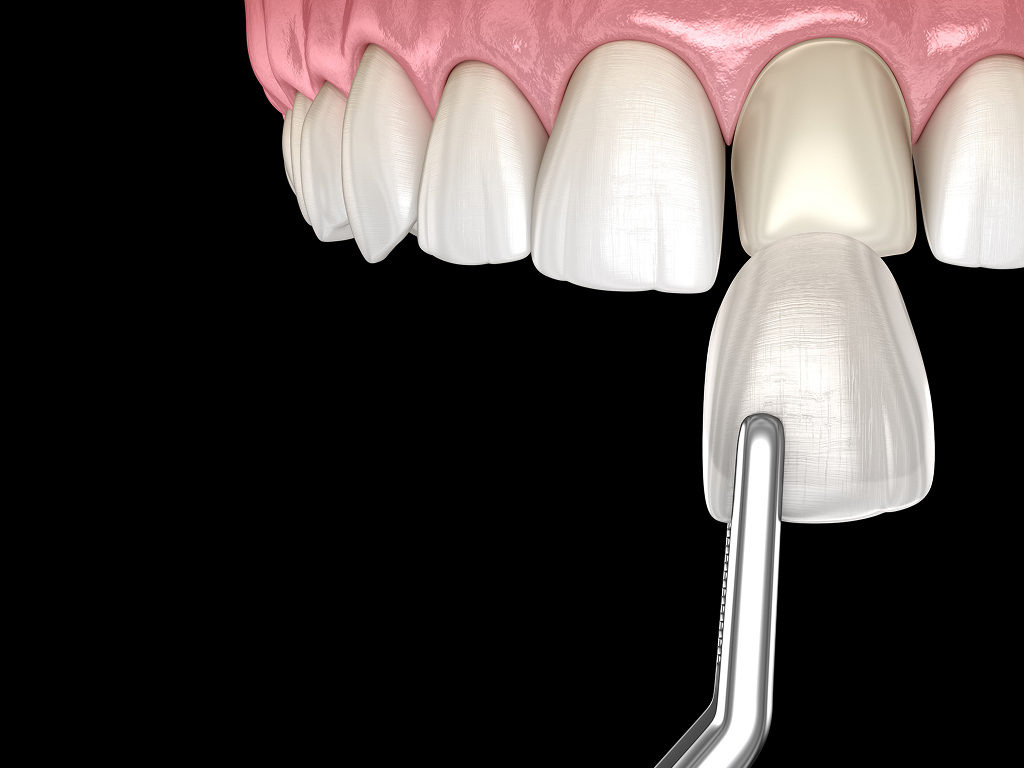
A dental crown is a custom-made cap that covers a damaged or weakened tooth. It restores the tooth’s shape and helps protect it so it can be used for chewing. Crowns can be made from porcelain, zirconia or other materials, and are also used to complete a dental implant.
Features of dental crowns
- Protects weakened teeth: a crown covers and supports a tooth with a large filling, a crack or root canal treatment.
- Restores shape for chewing: rebuilds a broken or worn tooth so it can be used for biting and chewing.
- Matched to your teeth: shaped and shaded to blend with neighbouring teeth as closely as clinically possible.
- Durable materials: modern ceramic materials are designed for everyday chewing forces.
- Long-term option: with good care, crowns can last many years but may need replacing over time.
Results vary from person to person and all treatment carries risks.
Read the risks and considerations below, or on our
Treatment Risks page.
What to expect
- Assessment and X-rays where clinically indicated.
- Tooth preparation under local anaesthetic and a digital scan.
- Temporary crown while your crown is made.
- Fitting, bite check and review.
Treatment is provided by our registered dentists. See Meet the team for each dentist’s registration details.
Who Benefits from Dental Crowns?
A crown may be considered for teeth with large fillings, breaks, root canal treatment, severe wear from grinding or acid erosion, or to finish a dental implant. Your dentist will assess whether a crown is suitable.


What a crown involves
- A crown can protect and support a weakened or damaged tooth.
- A crown can restore the shape of a tooth so it can be used for chewing.
- Crowns are made to match neighbouring teeth as closely as clinically possible.
- Crowns are not permanent and may need to be replaced.
At The Dental Studio, we provide dental crowns based on each patient’s individual needs. Your dentist will discuss your options and the risks before you decide.
Meet Dr. Bhanu
Dr Bhanu Shamdasani is a registered general dentist with a focus on implant dentistry. He also provides general and cosmetic dentistry, including veneers and clear aligners, to patients of all ages at The Dental Studio at Molonglo in Wright, Canberra.
Dr Bhanu Shamdasani, Dentist, General registration, AHPRA DEN0002585869. Qualifications: Bachelor of Health Sciences in Dentistry and Master of Dentistry, La Trobe University.
Meet Dr. Bhanu →
Frequently Asked Questions
What is a dental crown and when would I need one?
A dental crown is a custom-made cap, crafted to fit over a damaged or weakened tooth and restore its shape and strength. Crowns are commonly recommended for cracked, broken or heavily decayed teeth, teeth that have had a large filling or root canal treatment, and teeth that are severely worn from grinding or acid erosion.
What does the dental crown procedure involve?
At your first appointment we’ll assess the tooth, gently prepare it by removing any decay and shaping it to receive the crown, and take an accurate impression or digital record of your bite. You’ll usually wear a temporary crown while your custom crown is being made. At the second visit, we check the fit, colour and bite of your final crown and bond it securely into place.
Will my crown look like a natural tooth?
Crowns are made to match the shape and shade of the surrounding teeth as closely as clinically possible. The final result may differ from a preview.
How long do dental crowns last?
How long a crown lasts varies between patients and depends on the material, the position of the tooth, your bite and home care. Crowns may need to be replaced.
Is getting a crown painful?
The procedure is carried out under local anaesthetic. Most patients feel pressure or vibration during preparation. Some sensitivity to hot or cold can occur for a few days afterwards. Tell your dentist if you are uncomfortable.
How do I care for my new crown?
Treat your crown like a natural tooth. Brush twice a day, floss daily (gently sliding the floss out to the side rather than snapping it up), and attend regular check-ups so we can monitor the crown and the tooth underneath. Avoid biting hard objects like pen lids or ice, and if you grind your teeth at night, let us know — a custom night guard may help protect your crown.
The Dental Studio at Molonglo
Hours Of Operation
- Monday - Friday: 9AM - 7PM
- Saturday: Closed
- Sunday: Closed